Look, we get it. There’s a certain primal comfort in seeing a human being sweat over your server rack. You want to see the “IT Guy” crawling under desks, wrestling with a bird’s nest of blue Ethernet cables, and looking generally stressed out. It makes you feel like you’re getting your money’s worth, right? If there’s a guy in a polo shirt in your office, things must be getting fixed.
Well, we’re here to burst that bubble.
In the modern age of 2026, demanding on-site support for every little hiccup is like insisting your mail be delivered by a guy on a pony. It’s nostalgic, sure, but it’s wildly inefficient, unnecessarily expensive, and, frankly, it’s holding your business back. At Your Personal Ninja, we’ve mastered the art of the “War Room” approach, and it’s time you understood why our remote-first philosophy isn’t just about our convenience, it’s about your survival.
The Myth of the “Guy in the Truck”
For decades, the standard for IT support was the “Break-Fix” model. Something breaks, you call a guy, he gets in a truck, drives through Phoenix traffic (which, let’s be honest, is its own circle of hell), and eventually shows up at your door ninety minutes later. By the time he walks in, you’ve already lost thousands in productivity.
When you insist on in-person support, you aren’t paying for expertise; you’re paying for travel time. You’re paying for a technician to listen to podcasts while stuck on the I-10. Meanwhile, your staff is sitting around twiddling their thumbs because the printer won’t talk to the network or the financial services software is acting up.
Remote support flips the script. While that “other guy” is still looking for a parking spot, a Ninja has already remoted into your system, identified the conflict, and deployed a fix. We aren’t bound by the laws of physics or the speed of a Ford Transit. We move at the speed of light.

The “War Room” vs. The Backpack
When a technician comes to your office, they are limited by what they can carry. They’ve got a laptop, maybe a few screwdrivers, a spare patch cable, and whatever knowledge they happen to have stored in their brain at that exact moment. If they encounter a problem they haven’t seen before, they end up doing exactly what you would do: Googling it on their phone while standing in your breakroom.
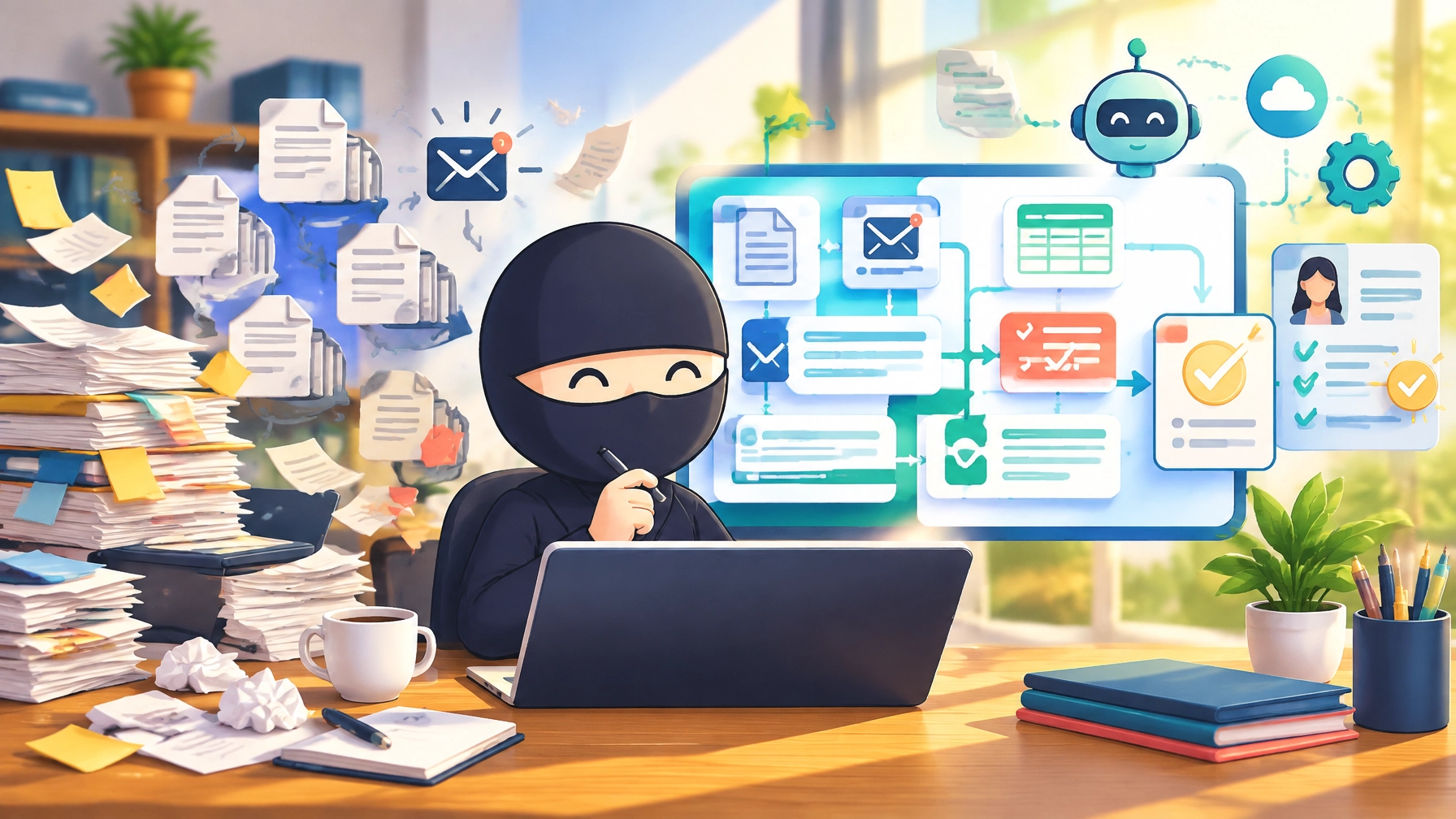
When we handle your issues remotely, we aren’t just one person with a backpack. We are a team in a high-tech “War Room” with a full arsenal of enterprise-grade tools at our fingertips.
- High-Level Diagnostics: We have access to real-time telemetry that a physical person simply can’t “see” by looking at a box. We’re talking about packet sniffers, network mapping software, and proactive monitoring tools that tell us why your connection is dropping before you even notice it is.
- Real-Time Log Monitoring: We can pull logs from six different servers simultaneously and correlate the data in seconds. A guy standing in your server room has to log into each machine individually, wait for the UI to load, and manually scroll through thousands of lines of text.
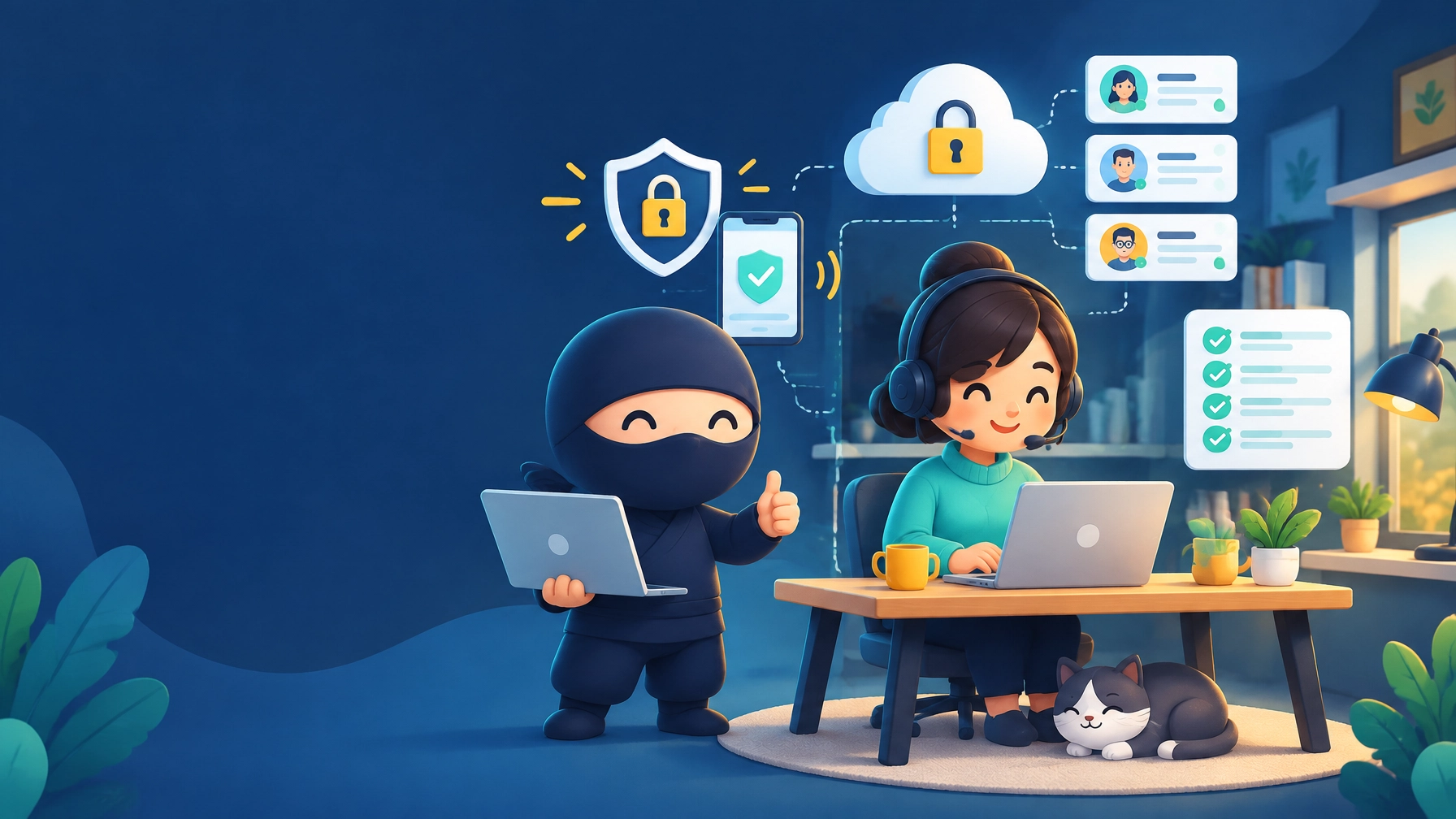
- The Hive Mind: In our remote command center, if a Ninja hits a wall, they have three other senior engineers sitting five feet away. We collaborate in real-time. On-site? Your tech is on an island, or worse, they’re on the phone with their remote support office, trying to describe what they’re seeing.
Why Your Office Flow Deserves Better
Have you ever tried to have a serious client meeting while a technician is banging around under the conference table trying to fix a HDMI port? It’s awkward. It’s disruptive. It ruins the “vibe” of a professional workspace.
One of the biggest advantages of remote support is that it is virtually invisible. We can handle admin support tasks, update your web design elements, or patch security vulnerabilities in the background while your team keeps working.
Most of the time, we don’t even need to interrupt the user. With our background management tools, we can push scripts, clear caches, and kill runaway processes without ever taking control of the mouse. Your employee keeps typing their email, the problem disappears, and the Ninja vanishes into the shadows. No small talk, no “where do you keep the spare keyboards?” questions, and no disruption to your flow.
The Truth About Technical Common Sense
We’ve seen it a thousand times: a client insists we come on-site because “the internet is down,” only for us to drive forty minutes to find out a cleaning crew bumped a power strip. That’s a very expensive trip for everyone involved.
Remote support allows us to triage the “silly” stuff instantly. We can use screen sharing to guide a user through a quick physical check, or better yet, use our remote power management tools to reboot hardware that’s three towns away.
By leaning into remote tools, we also help build a more tech-literate culture within your office. Instead of waiting for a “saviour” to show up in a truck, your team learns that most issues are just digital puzzles that can be solved with the right data. It’s about empowerment, not dependency.
Cybersecurity: You Can’t Catch a Hacker with a Screwdriver
If you’re worried about cybersecurity, you should be terrified of the “in-person only” mindset. Physical presence does absolutely nothing to stop a ransomware attack or a data breach. In fact, by the time an on-site tech arrives to “check the server,” your data has already been sold on the dark web three times over.
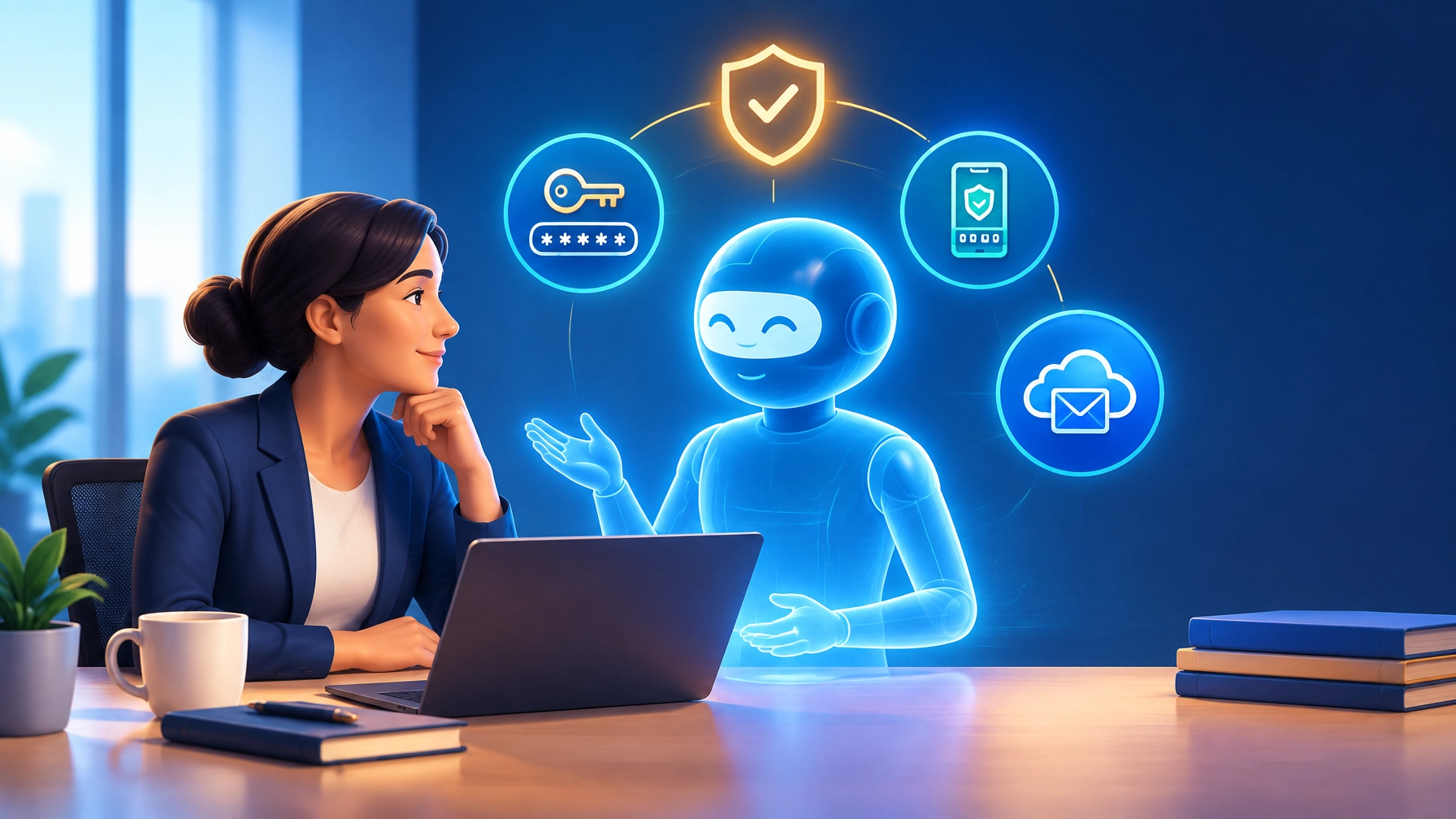
Modern security happens in the cloud and on the wire. Our Managed Security Services rely on 24/7 remote monitoring. We are looking for anomalies in traffic patterns, failed login attempts from foreign IP addresses, and suspicious file encryptions. We do this from our “War Room” because that’s where the data lives.
When we are remote, we have the “God View” of your entire network. We can see how your healthcare practice’s data is moving between your local NAS and your off-site backup. We can instantly kill a compromised user session across the entire organization. An on-site tech is limited to the one machine they are sitting in front of.

The Return to Office (RTO) Fallacy
There’s a trend lately of managers forcing everyone back into the office because they “miss the collaboration.” Let’s call it what it is: it’s a power trip. It’s about seeing heads in seats so you feel like you’re in control.
But in the world of IT, “Return to Office” is a step backward. Why would you want your most critical infrastructure managed by someone who is exhausted from a commute and distracted by office chatter? You want your Ninjas focused, surrounded by their high-end gear, and ready to strike at a moment’s notice.
Remote work isn’t a “perk” for our techs; it’s a strategic advantage for our clients. It allows us to recruit the best talent regardless of where they live in the Valley, and it ensures that when you have a worry-free support contract with us, you’re getting the best version of our expertise.
When Is On-Site Actually Necessary?
We aren’t saying we never leave the dojo. If you’re moving offices, installing a whole new rack of servers, or if a piece of hardware has literally caught fire, then yes: send in the Ninjas.
But for 95% of day-to-day operations: from hosting management to troubleshooting email: remote is objectively better. It’s faster, it’s smarter, and it’s what a modern business looks like.
If you’re still waiting for a guy in a truck to show up and fix your slow Wi-Fi, you’re living in the past. It’s time to embrace the remote advantage. It’s time to stop paying for travel and start paying for solutions.
Ready to see how a real “War Room” operates? Consult with us today and let’s get your business running at Ninja speed. We promise we won’t even ask to use your office microwave.