Why We Built Hermes
Small-business IT work has a strange shape. Some of it is high judgment and client-facing. Some of it is repetitive, operational, and time-sensitive. The second category is where good people burn time they should be spending elsewhere.
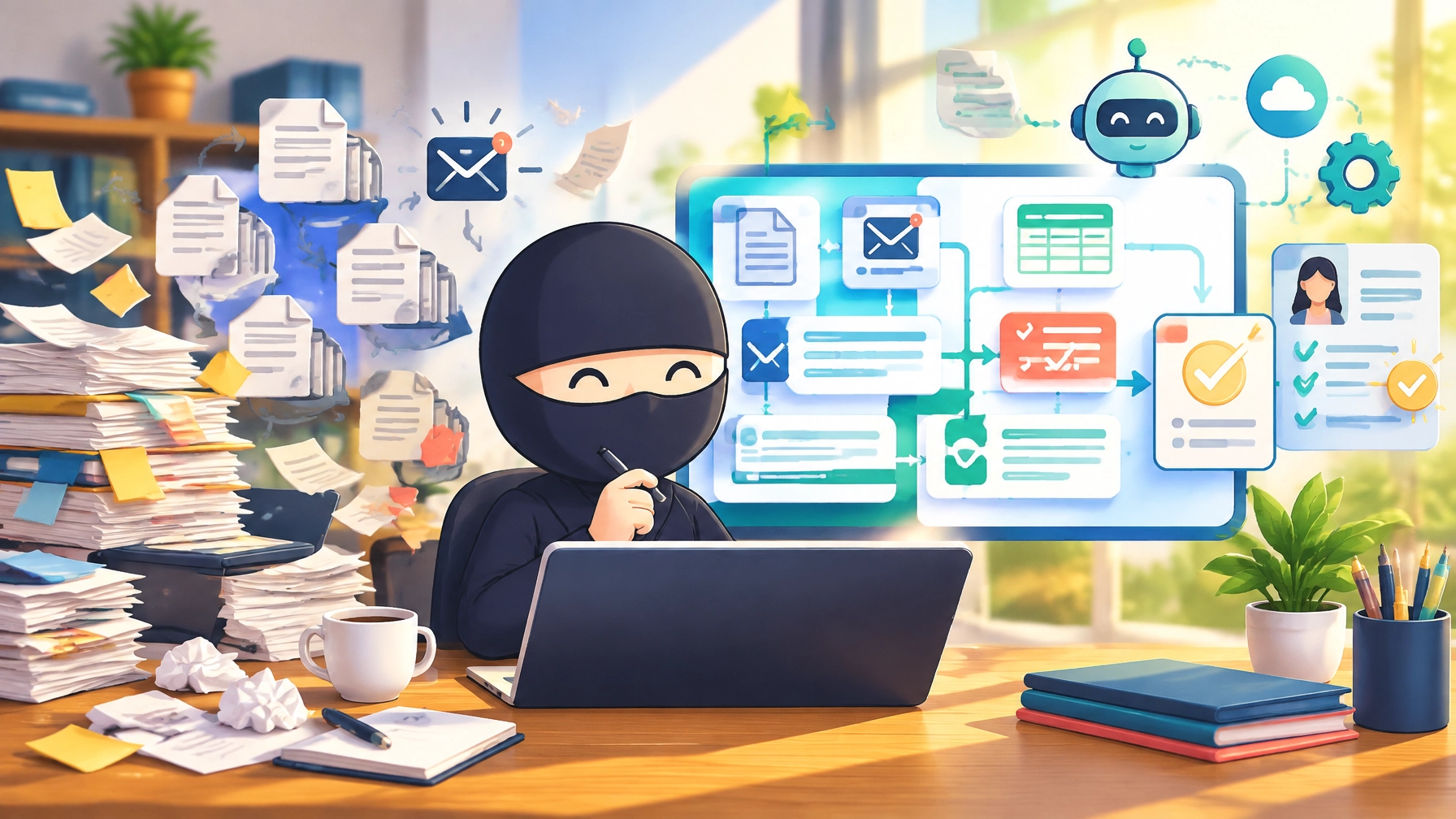
That is why we built Hermes, our internal AI operations assistant. Not to replace human support, and not to turn client work into a black box, but to take the mechanical load off the parts of the business that benefit from constant checking, pattern recognition, and disciplined follow-through.
What Hermes Actually Does
Hermes helps with the operational work that tends to pile up in the background:
- Watching hosted environments and reporting when something looks off
- Surfacing issues faster so a human can act before they become visible problems
- Helping organize repetitive administrative work
- Assisting with research and pattern-matching during troubleshooting
That does not mean Hermes runs the company or makes unreviewed decisions. It means we use automation where automation is useful, and human judgment where human judgment matters.
The Real Goal: Protect Human Attention
The biggest value of a tool like this is not novelty. It is attention preservation. Every hour spent manually checking routine signals is an hour not spent solving real client problems, improving systems, or communicating clearly when something actually matters.
Used properly, an operations assistant creates room for better service:
- Faster awareness when something breaks
- Less time wasted on low-value repetition
- More consistency in operational follow-through
- More human bandwidth for planning, support, and risk review
Where AI Helps, and Where It Does Not
AI is useful for triage support, summarization, internal workflow assistance, and routine monitoring patterns. It is not a substitute for accountability, business context, or trust. Clients still need a real person who understands their environment, their priorities, and the consequences of getting something wrong.
That is the line we care about. Hermes is an internal assistant, not a replacement for ownership. The purpose is to reduce operational drag so the human side of support gets stronger, not thinner.
Why This Matters to Clients
When an MSP improves its own operations, clients feel it indirectly. Better internal systems mean fewer blind spots, faster follow-up, and less energy wasted on administrative noise. That translates into a service model that is more proactive and less chaotic.
In other words, the value is not “we have AI.” The value is that better internal tooling helps us spend more of our time where clients actually need us.
The Bottom Line
Hermes is part of how we keep a boutique support model from getting buried under routine operational work. We still believe the core of managed IT is human judgment, good process, and clear communication. We just also believe repetitive work should stay in its lane.
At USTech.Ninja, we use tools to make service more responsive, more consistent, and more intentional. If you are tired of reactive support and wondering what a more operationally mature IT partner looks like, that is exactly the direction we are building toward.
See how we support growing businesses or book a consultation if you want a partner that treats operations as part of service quality.