HR Now Sits on the Front Line of Security
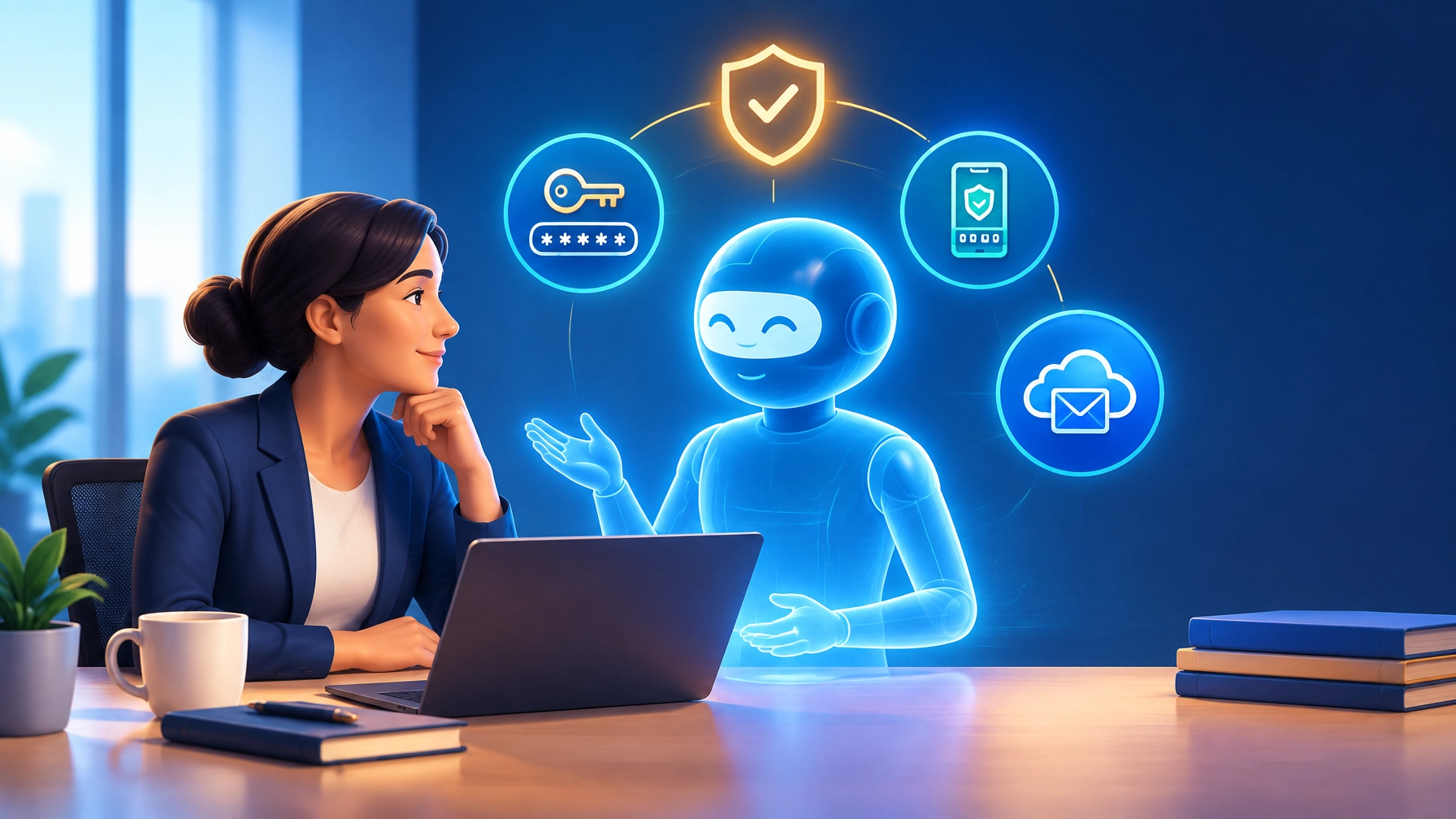
HR teams now manage systems that hold some of the most sensitive data in a small business: Social Security numbers, payroll details, home addresses, benefits records, disciplinary notes, and often immigration or medical paperwork. That means HR is no longer just an administrative function. It is part of your security perimeter.
For a small business, that shift matters because the same department that onboards people, changes pay, and handles exits is also touching identity, access, and confidential records every day. If those workflows are weak, the problem is not just an HR problem. It becomes a business-wide security problem.
Why HR Keeps Becoming a Target
Attackers do not need to break into a server room if they can trick a helpful employee into releasing the same data through email, a portal, or a rushed phone call. HR is a natural target because the work is time-sensitive, trust-heavy, and full of exceptions. New hires need quick access. Managers ask for urgent changes. Former employees need documents. Vendors need forms. Everything feels legitimate until it is not.
That is why HR security failures often come from process gaps rather than from dramatic movie-style hacking. The weak point is usually one of these:
- Too many HR apps with inconsistent logins and no central control
- Former employees still retaining access after departure
- Sensitive documents shared over email instead of a controlled system
- Managers pasting employee information into public AI tools
- Phones and personal devices accessing HR systems without proper controls
The Five Controls That Matter Most
1. Centralize access before you add more tools
If HR data is spread across multiple disconnected platforms, your first problem is visibility. You cannot protect what you cannot inventory. Small businesses should reduce the number of systems holding employee data, document what each system contains, and make sure access is tied to a real role.
2. Enforce MFA on every HR-related login
This should not be optional. Payroll, benefits, document-signing, and email systems all need multi-factor authentication. If HR can reset pay, route tax forms, or release confidential records, that login deserves real protection.
3. Treat offboarding like a security event
When someone leaves, access needs to be removed quickly and consistently. That includes email, payroll, benefits portals, shared drives, password managers, and any device enrolled for work access. Delayed offboarding is one of the simplest ways to create unnecessary risk.
4. Set an AI policy before employees improvise one
Managers will use AI tools if you do not tell them where the boundaries are. The right policy is simple: do not paste names, compensation data, disciplinary notes, medical details, or internal HR records into public AI tools. If AI is going to touch HR workflows, it needs an approved process and approved tools.
5. Lock down mobile access
HR portals are often accessed from phones. That is convenient, but convenience without device controls is just exposure with better marketing. If a phone can open HR data, it should at minimum require a passcode, device encryption, and a way to remove business access when needed.
What Good Looks Like for a Small Business
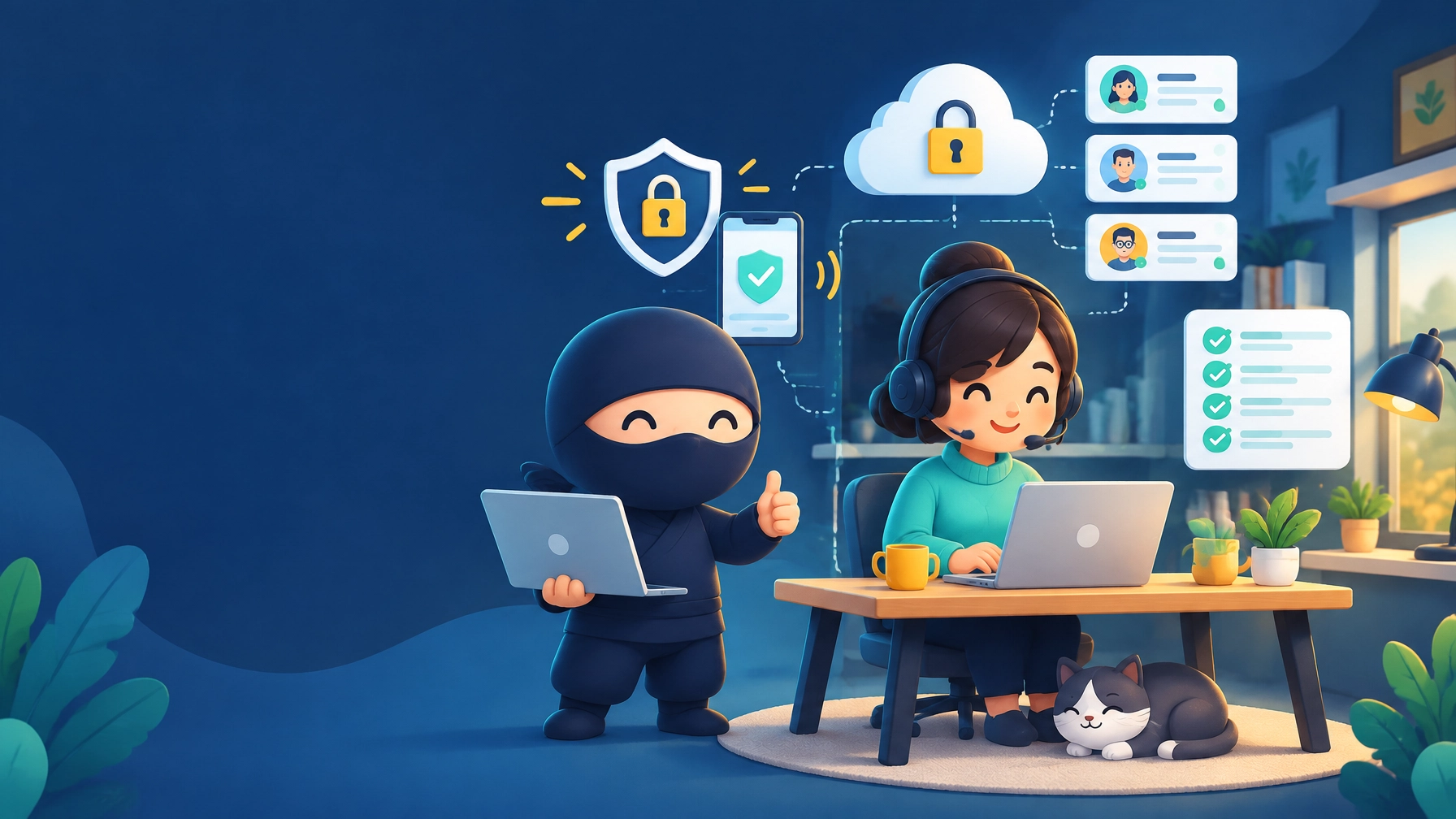
You do not need an enterprise security department to tighten this up. You need a few disciplined habits:
- A documented list of HR systems and who owns them
- Role-based access instead of shared credentials
- A same-day offboarding checklist
- Secure document handling instead of casual email attachments
- Basic training on impersonation, urgent requests, and verification steps
That alone puts most small businesses in a much better position than the ones still treating HR like a side office with a login problem.
The Bottom Line
If your HR team handles identity, payroll, records, and onboarding, then part of your security program already lives inside HR whether you planned it that way or not. The question is whether the process around that reality is intentional.
At USTech.Ninja, we help small businesses tighten the systems behind access, offboarding, email security, and day-to-day workflow so sensitive data is not left to chance. If your HR process has grown faster than your controls, that is fixable.
Need help tightening HR-related access and security? Let’s make sure your people systems are not the easiest door into the business.