Let’s set the scene. You’re a busy CPA in Mesa, or maybe you manage a thriving medical practice in Phoenix. It’s tax season or a Tuesday morning rush. A client or patient needs to send over a document, or your staff needs to ship some records to an insurer. “Just email it over,” you say. It’s fast, it’s easy, and it’s how the world works in 2026, right?
Wrong. If that email contains a Social Security Number (SSN) and you didn’t click that little “Encrypt” button (or better yet, have a system that does it automatically), you aren’t just being “efficient.” You’re effectively playing Russian Roulette with a fully loaded Arizona Revised Statute.
In the Grand Canyon State, the law doesn’t care if you were “just trying to be helpful” or if you’re “not a tech person.” The Arizona Attorney General has a very specific set of rules regarding how personal information is handled, and if you’re ignoring them, you’re essentially begging for a lawsuit, a massive fine, and a PR nightmare that no amount of fancy web design can fix.
What “Personal Information” Actually Means (According to the People in Suits)
In the world of Arizona law, specifically ARS § 44-1373 and ARS § 18-552, “Personal Information” isn’t just a vibe. It has a very legal, very boring, and very dangerous definition.
Under ARS § 18-552, personal information typically means an individual’s first name or first initial and last name in combination with any one or more of the following data elements:
- Social Security Number (the big one).
- Driver’s license number or non-operating identification license number.
- Financial account number, or credit or debit card number, in combination with any required security code, access code, or password that would permit access to an individual’s financial account.
- Health insurance identification number.
- Information regarding an individual’s medical history or mental or physical condition or medical treatment or diagnosis by a health care professional.
Wait, did you see that last one? If you’re looking for medical practice IT support in Mesa, you better hope your provider knows that sending a patient’s diagnosis via a standard, unencrypted “Hey, look at this” email is a one-way ticket to a compliance violation.

The Specific “Thou Shalt Not” of Unencrypted SSNs
Now, let’s talk about ARS § 44-1373. This is the statute that specifically targets the handling of Social Security Numbers. It’s not a suggestion; it’s a prohibition.
The law states that a person or entity shall not “require an individual to transmit the individual’s social security number over the internet, unless the connection is secure or the social security number is encrypted.”
Translation: If you are an employer, a landlord, a CPA, or a lawyer, and you tell someone to “just email me your W-2” without providing a secure, encrypted portal or an encrypted email service, you are violating the law the moment that email hits the open internet.
Think of an unencrypted email like a postcard. Anyone, from a bored IT admin at an ISP to a malicious hacker sitting in a coffee shop in Scottsdale, can read a postcard as it travels through the mail. Encryption turns that postcard into a locked titanium briefcase. Arizona law requires the briefcase.
The Breach: 45 Days to Total Chaos
“But Penny,” you might say, “I’ve been doing this for years and nothing has happened!”
That’s what everyone says right before the “Oh no” moment. Let’s talk about what happens when, not if, that unencrypted data gets intercepted or your mailbox gets compromised. Arizona’s data breach notification laws are some of the most stringent in the country.
If you experience a breach of unencrypted computerized personal information, you have a 45-day window to notify every single person affected. And no, you can’t just send a casual “my bad” text. There are specific legal requirements for what that notification must include.
But it gets better (and by better, I mean much, much worse). If the breach affects more than 1,000 Arizona residents, you have to notify the Arizona Attorney General and the three largest nationwide consumer reporting agencies.
Imagine having to tell the Attorney General that you didn’t think CPA cybersecurity in Arizona was a big deal. The civil penalties can reach up to $500,000 per breach. That is a lot of tax returns or medical consultations just to pay off a fine that could have been avoided with a simple software tweak.
“But I Heard I Can’t Be Sued!”
There’s a bit of a myth floating around the internet, and even in some legal circles, that because the Arizona data breach law doesn’t provide a “private right of action,” you can’t be sued by your clients.
Let’s clear that up. While a private citizen might not be able to sue you specifically for violating ARS § 18-552, they absolutely can sue you for negligence. If you fail to follow industry standards, like, say, encrypting an SSN, and their identity is stolen, a savvy lawyer will argue that you failed in your “duty of care.”
Furthermore, professional boards (like the Arizona Board of Accountancy or medical licensing boards) don’t need a “private right of action” to pull your license or fine you into oblivion for failing to protect client confidentiality. In short: the law might not let them sue you under that specific statute, but they will find five other ways to make your life miserable.
What “Secure” Email Actually Looks Like
So, how do you fix this? You don’t need to go back to the Stone Age and start using carrier pigeons or fax machines (though some of you medical folks seem to love those faxes).
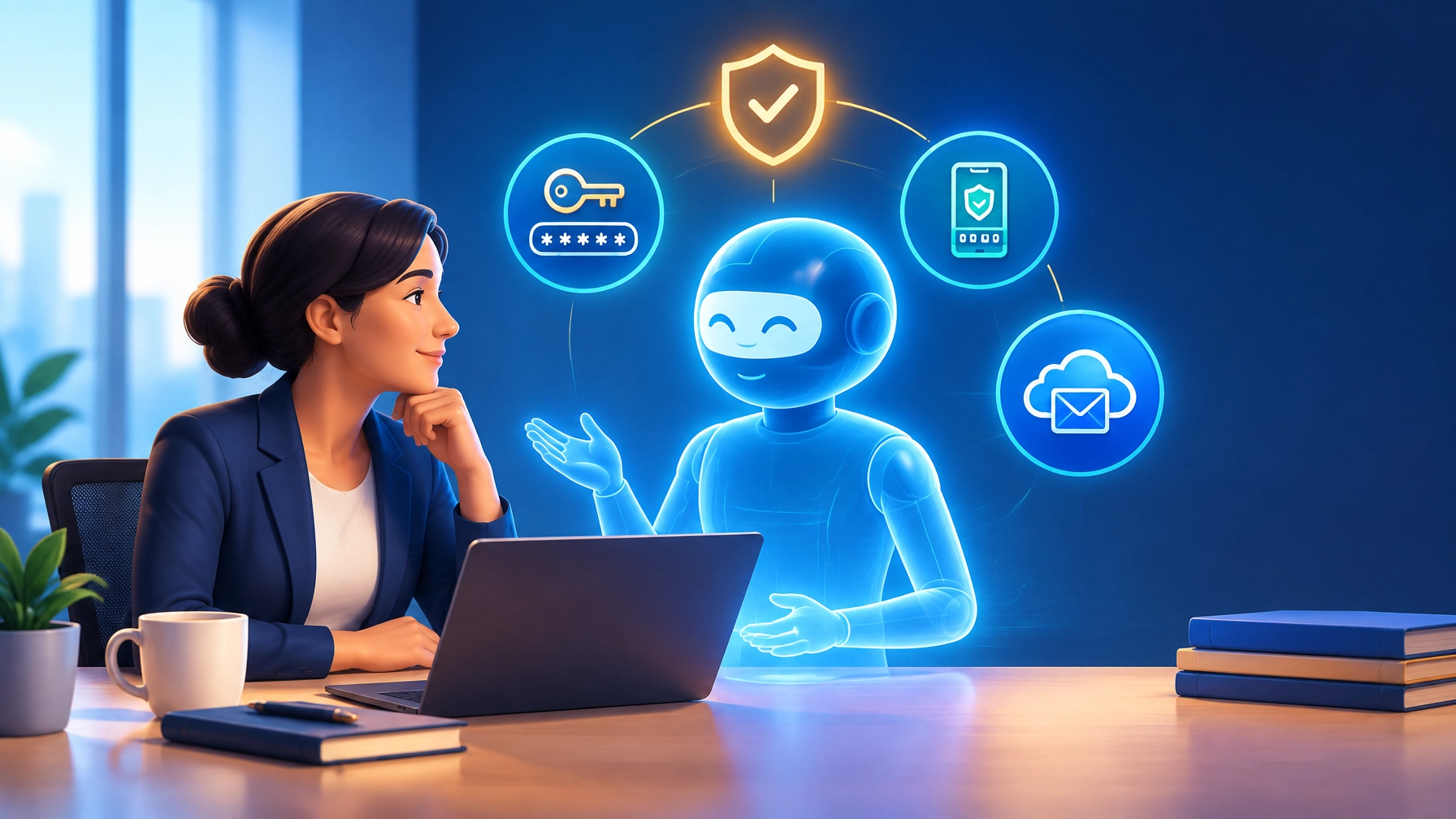
Real “secure” email involves End-to-End Encryption (E2EE) or Transport Layer Security (TLS) combined with forced encryption rules. It means that when you hit send, the data is scrambled into gibberish that can only be unscrambled by the intended recipient after they’ve verified their identity.
At Your Personal Ninja, we see a lot of businesses trying to DIY their security. They use the basic version of Gmail or a free Outlook account and think they’re covered. They aren’t. Standard consumer email is not designed for Arizona legal compliance.

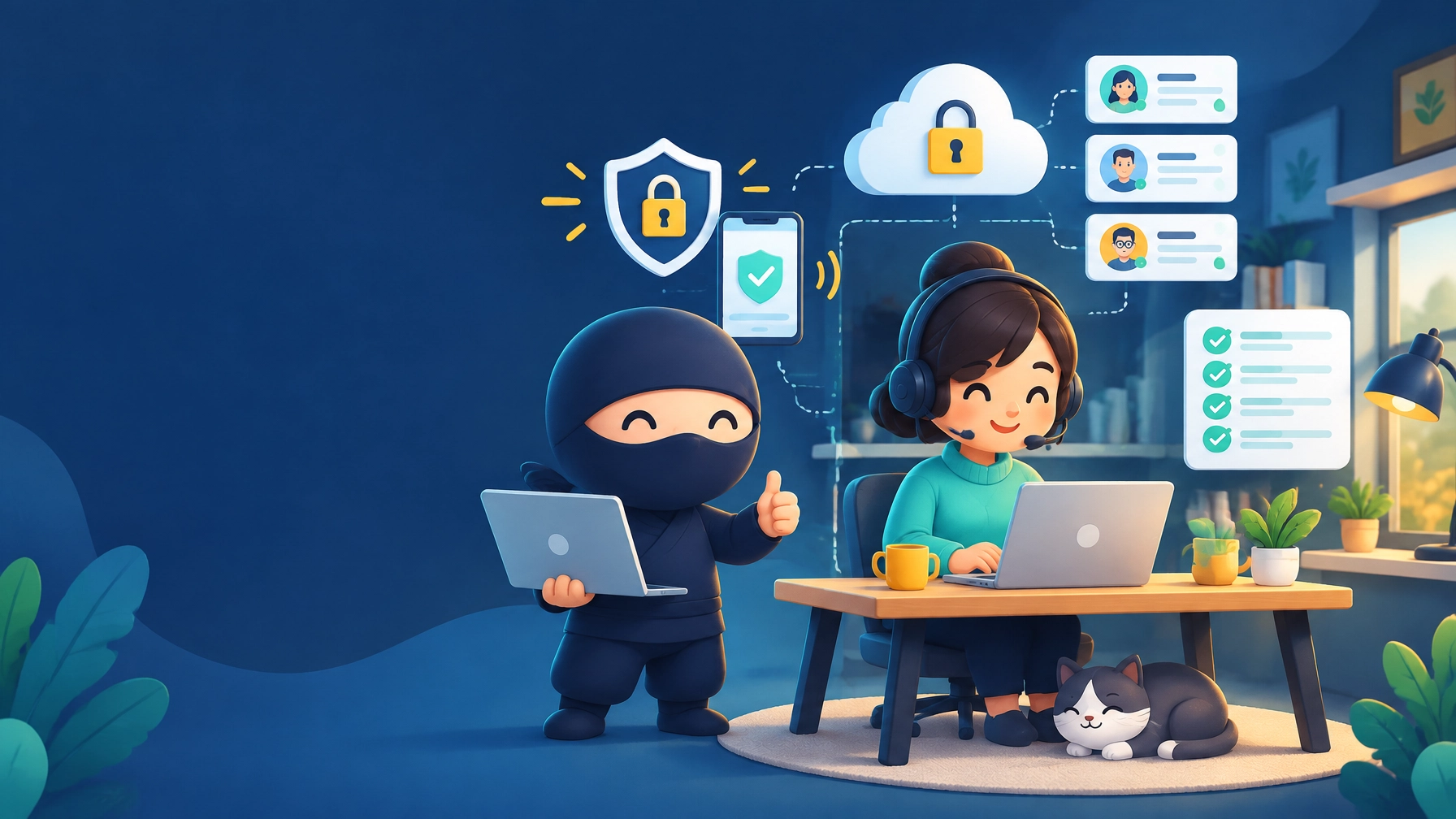
Our approach to Managed IT services in Phoenix includes setting up “forced encryption” rules. This means if the system detects something that looks like an SSN, a credit card number, or a medical ID, it automatically encrypts the message, even if your tired employee forgets to check the box. It’s like having a digital bodyguard who double-checks that you locked the door every time you leave the house.
Beyond just email, we look at the whole picture. From providing secure hosting for your sensitive files to ensuring your staff isn’t the weak link in your security chain, we handle the tech so you can handle your business. We’ve even been known to help out with a bit of admin support when things get hairy, because we know that security is only one part of the puzzle.
Don’t Wait for the Attorney General to Knock
Running a business in Arizona is hard enough without having to worry about legal landmines hidden in your Sent folder. Whether you’re looking for HIPAA IT compliance in Phoenix or just want to make sure your CPA firm isn’t the next headline, the time to act is now.
The “it won’t happen to me” strategy has a 0% success rate in the long run. Eventually, the odds catch up.

Are you 100% sure that the email you sent five minutes ago was compliant with ARS § 44-1373? Are you sure your staff isn’t currently BCC’ing their personal accounts with sensitive client data?
If you’re not sure, let’s talk. We offer a free 10-minute review of your current email setup. No high-pressure sales pitch, no tech-babble that sounds like it’s from a sci-fi movie: just a quick look under the hood to tell you if you’re safe or if you’re one “Send” click away from a $500,000 headache.

Stop playing games with your clients’ data and your business’s future. Reach out to US Tech Support Solutions, LLC: DBA Your Personal Ninja today. Let’s get your encryption sorted so you can get back to what you actually enjoy doing: which I’m assuming isn’t reading legal statutes in your spare time.