You know the person. They’re the one everyone calls when the printer jams, when someone forgets their password for the third time this week, or when Bob in accounting can’t figure out how to unmute himself on Zoom. They’re quick, confident, and always ready with a tech solution. They’re your office hero.
They’re also probably your biggest security nightmare.
Before you assume I’m being dramatic, let me paint you a picture: Sarah from marketing just installed a nifty file-sharing app she found online because Dropbox was “too slow.” Mike in sales is using his personal laptop for client presentations because his work computer is “outdated.” And your self-appointed IT guru? He just gave himself admin rights to “streamline things” and is currently downloading software from a website that looks like it was designed in 2003.
Welcome to the world of shadow IT, where good intentions pave the highway straight to Data Breachville, population: your entire client list.
The Tech-Savvy Paradox
Here’s the thing that keeps security professionals up at night: being good with technology doesn’t automatically make someone good at cybersecurity. In fact, it often creates the opposite problem.
Tech-savvy employees develop a dangerous sense of confidence. They’ve fixed enough problems, worked around enough limitations, and “made things work” enough times that they genuinely believe they know what they’re doing when it comes to security. They don’t.

The research backs this up in a big way. Despite their technical chops, these employees routinely underestimate security risks because they’re so comfortable navigating digital environments. Their familiarity breeds complacency. They think, “I’ve been using computers my whole life, I’d know if something was sketchy.”
Spoiler alert: They usually don’t.
The BYOD Minefield
Let’s talk about personal devices at work. Your tech-savvy employee loves the convenience of checking work emails on their personal phone, editing presentations on their iPad, or, even worse, doing actual work on their home laptop that also doubles as their Netflix machine and their teenager’s gaming rig.
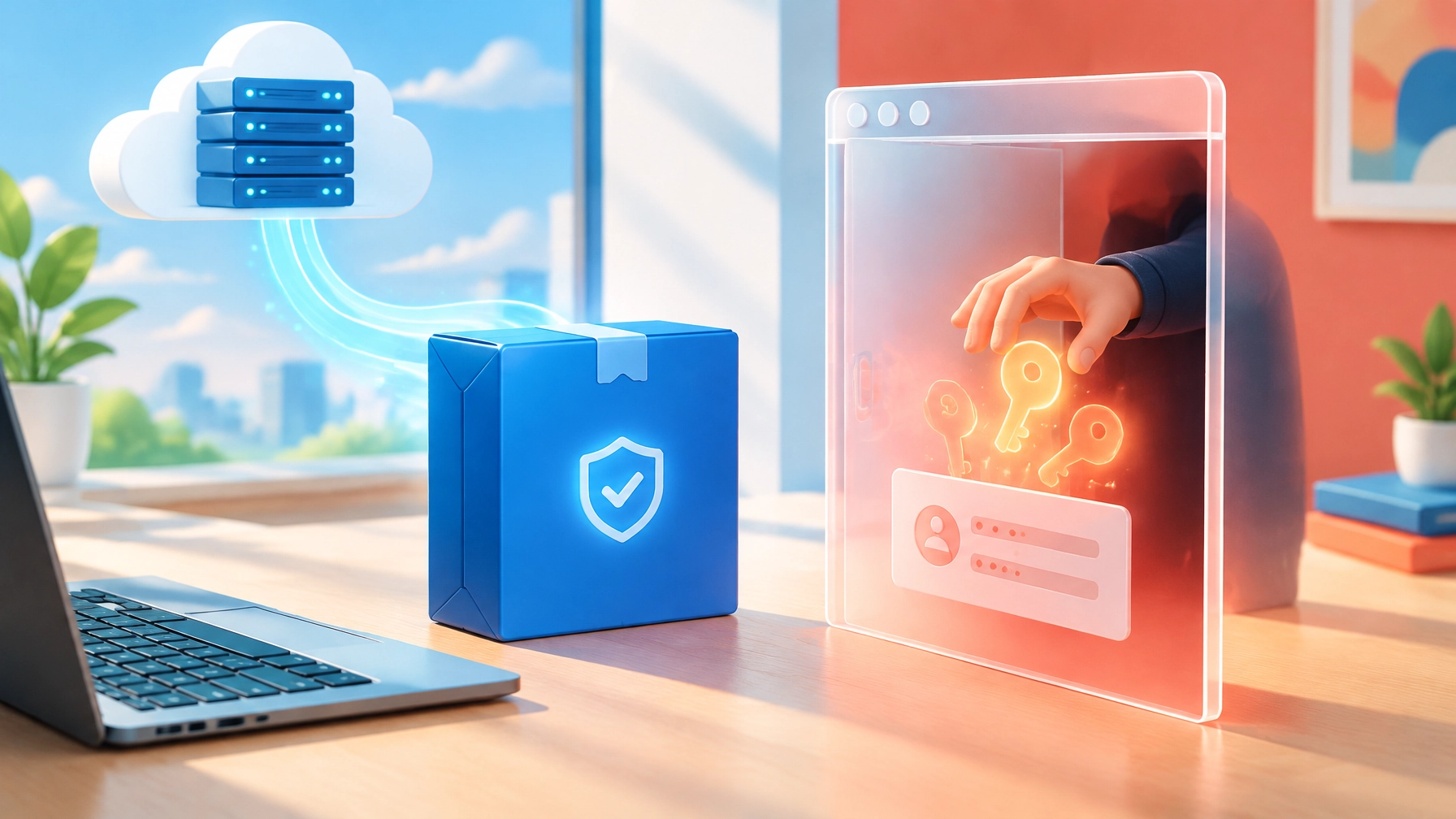
Bring Your Own Device (BYOD) sounds great in theory. It’s flexible, employees are happy, and you don’t have to buy as much hardware. But here’s what actually happens: that personal device doesn’t have your company’s security software, it’s not being monitored by anyone, and it’s one trip to the wrong coffee shop Wi-Fi away from being a direct pipeline into your entire business network.
When Sarah connects her personal tablet to your company’s file server to grab those client contracts, she’s also potentially giving every sketchy app she’s ever downloaded, and every network she’s ever connected to, access to those same files.
The App Store Buffet Nobody Asked For
Here’s a fun stat that should terrify you: 80% of employees now use cloud-based applications without IT approval. Eighty percent. That means four out of five people in your office are using random apps and services that your actual IT team (if you have one) has never vetted, never secured, and has no idea even exist.
Your helpful power user finds a “game-changing” project management tool, signs up using their work email, and suddenly your proprietary business information is sitting on some third-party server in who-knows-where, with security standards you know nothing about.

The worst part? They’re doing this to be more productive. They’re trying to help. They just don’t understand that the approved tools you have in place, the ones that might be slightly less shiny or require an extra click or two, come with actual security guarantees, compliance frameworks, and someone who’s legally responsible if things go sideways.
Social Media: The Open Book Your Competitors Are Reading
Your tech-savvy employees are comfortable online. Maybe too comfortable. They’re on LinkedIn talking about their job, on Facebook sharing pictures from the office, on Instagram posting about that big client meeting they’re heading to.
Cybercriminals love social media. Why? Because people hand them everything they need for a convincing social engineering attack on a silver platter. When your office power user posts “Heading to our annual security training today, can’t wait to learn about phishing! 🎣😂,” they’ve just told every scammer on the internet exactly when your entire team will have security top of mind, making it the perfect time to send fake “training materials” that are actually malware.
The technical knowledge these employees have makes them confident enough to engage with strangers online, share professional details, and click on links that “look legitimate” because they trust their ability to spot a fake. Meanwhile, social engineering attacks are getting more sophisticated by the day, often using AI to create perfectly personalized, believable scenarios.
Password Problems (Yes, Still)
You’d think tech-savvy people would have better password hygiene. You’d be wrong.
Despite knowing they should use complex, unique passwords for everything, many don’t. Why? Because it’s inconvenient. They’ll use variations of the same password across multiple accounts, or they’ll use something “clever” that’s actually incredibly common (looking at you, “Password123!” with an exclamation point because that makes it “secure”).
Some will even write down their passwords on a sticky note under their keyboard because they’re “just too hard to remember.” These are the same people installing browser extensions that promise to “remember everything for you”: extensions that may or may not be harvesting every keystroke you make.

The Efficiency Trap
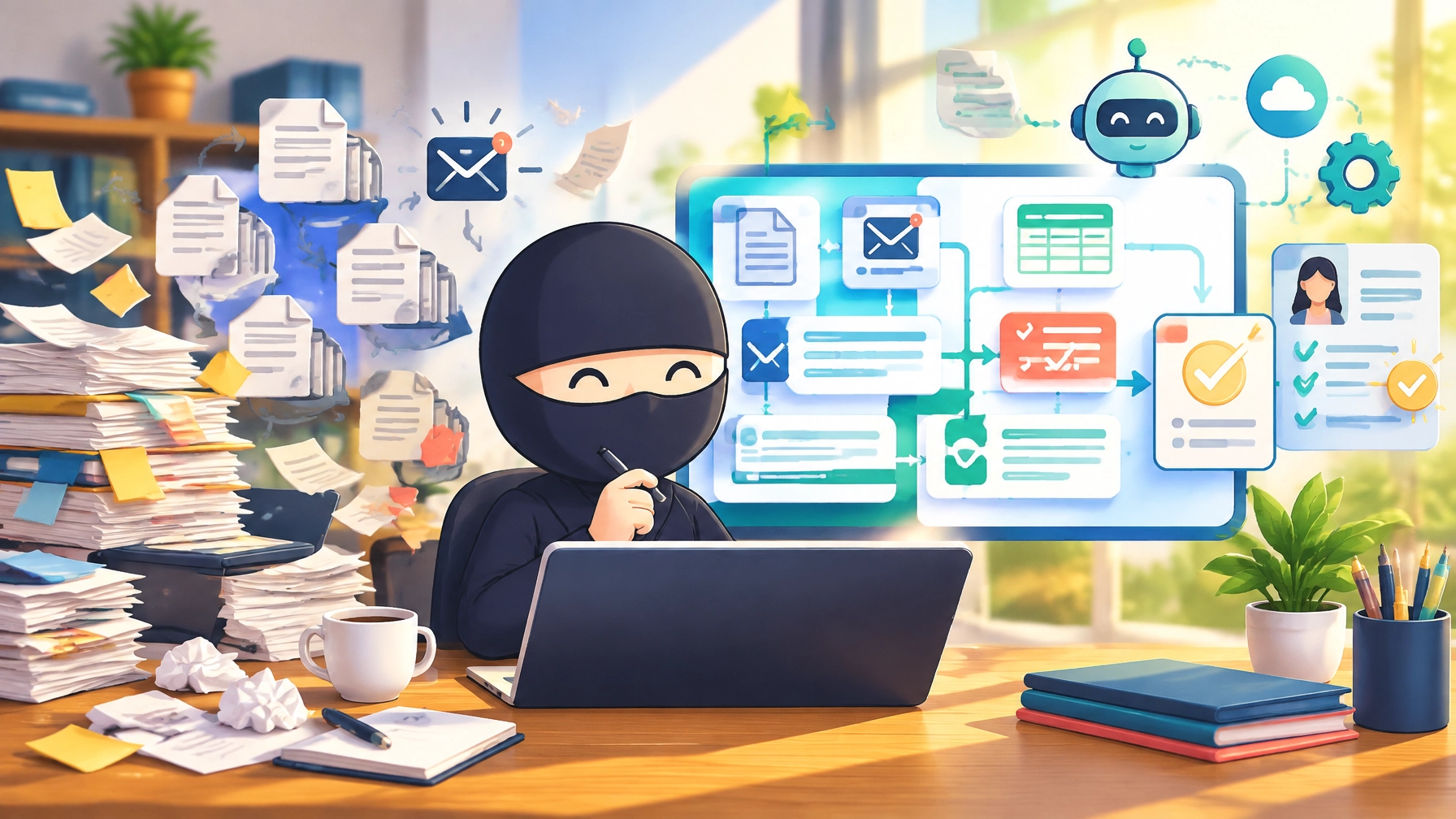
The root of all this risky behavior comes down to one thing: efficiency over security. Your tech-savvy employee wants to get things done. They see security protocols as roadblocks. They don’t have time to submit a ticket and wait for IT to approve new software. They need that tool now to meet their deadline.
So they find workarounds. They use personal accounts. They install unauthorized software. They share passwords with colleagues to “speed things up.” And before you know it, your network security has more holes than Swiss cheese at a shooting range.
The research is crystal clear on this: employees and their errors: skill-based and decision-based: are directly or indirectly responsible for 19 out of 20 cyber breaches. Not sophisticated hackers. Not elaborate schemes. Just regular people making regular mistakes because they thought they knew better.
Why Professional IT Management Isn’t Optional
Here’s the uncomfortable truth: your business cannot afford to let tech-savvy employees freelance your cybersecurity strategy.
Professional IT management isn’t about slowing people down or making their lives harder. It’s about creating a secure environment where people can actually do their jobs without accidentally handing your client database to a criminal organization in Romania.
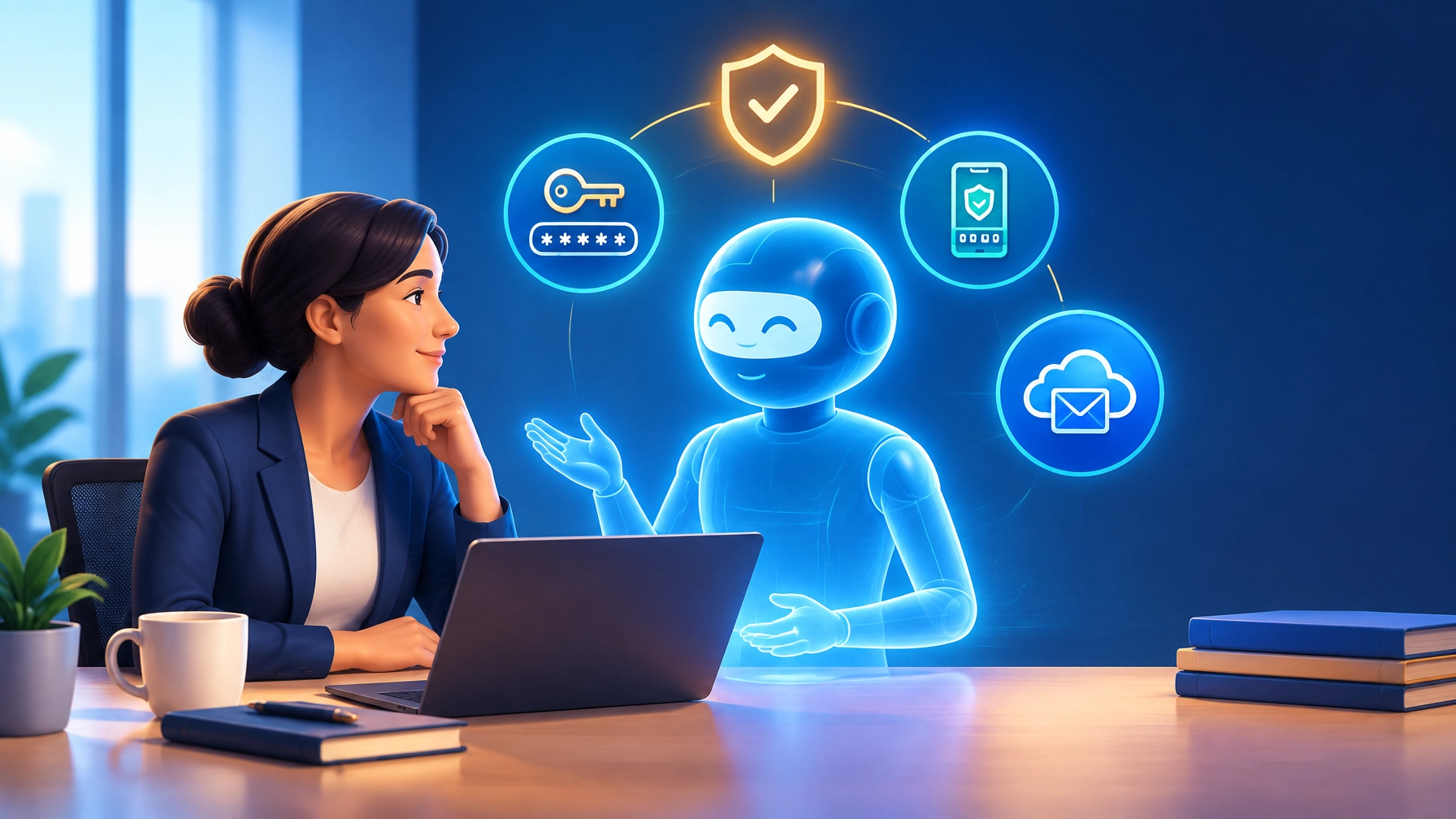
A proper IT security setup means:
- Monitored devices that can be remotely wiped if they’re lost or stolen
- Approved applications that have been vetted for security vulnerabilities
- Centralized password management with actual encryption, not a browser extension
- Security training that’s updated regularly based on current threats
- Clear protocols that everyone follows: not just the people who feel like it
When you work with professionals who actually understand the threat landscape (and I’m not just saying this because we happen to provide exactly these kinds of services), you get something your office power user can’t provide: accountability. If something goes wrong, there’s someone responsible. There’s insurance. There’s a plan.
The Bottom Line
Your tech-savvy employee isn’t a bad person. They’re trying to help. They genuinely believe they’re making things better, faster, more efficient. And in their minds, they are.
But good intentions don’t stop ransomware. Being “good with computers” doesn’t protect you from phishing schemes that are now so sophisticated they fool cybersecurity professionals. And confidence without proper protocols is just another word for vulnerability.
The uncomfortable reality is this: the more tech-savvy your employees are, the more creative they’ll be in finding workarounds to your security measures. And every workaround is a potential entry point for someone with malicious intent.
You don’t let employees perform their own dental work just because they’re good at brushing their teeth. You don’t let them file their own legal documents because they watched a YouTube video about contract law. And you shouldn’t let them manage your cybersecurity just because they know their way around Windows settings.
Your business deserves better than that. Your clients deserve better than that. And honestly, your tech-savvy employee deserves better than being set up to accidentally be the person who causes a massive data breach.

It’s time to put professional systems in place: not to restrict your employees, but to protect them (and you) from the very real consequences of shadow IT. Because in cybersecurity, there are no style points for being helpful. There’s only secure, or breached.
And trust me, nobody wants to be the one explaining to a room full of angry clients how their data got compromised because Bob from sales thought he was “helping” by installing that sketchy VPN he found on a Reddit thread.