Breaches Happen. It’s the Cover-Up That Kills You.
Let’s get one thing straight: getting breached doesn’t make you a bad business. Cybercriminals are sophisticated, well-funded, and relentless. Even Fortune 500 companies with eight-figure security budgets get compromised.
What does make you a bad business? Responding to a breach by doubling down on weak security, refusing to provide evidence of your “compliance,” and telling concerned clients you’re “too busy with tax season” to address gaping security holes.
Welcome to the case study of Double D Tax Services (DDTax), a Phoenix-area tax preparation firm that demonstrated exactly how not to handle a cybersecurity incident. This isn’t speculation or theory, this is documented, timestamped correspondence showing a small business choosing denial over accountability.
If you’re a CPA, attorney, medical practice, or any professional handling sensitive client data in Arizona, pay attention. This could be you.
The Breach: How Missing Security Controls Enabled Unauthorized Access
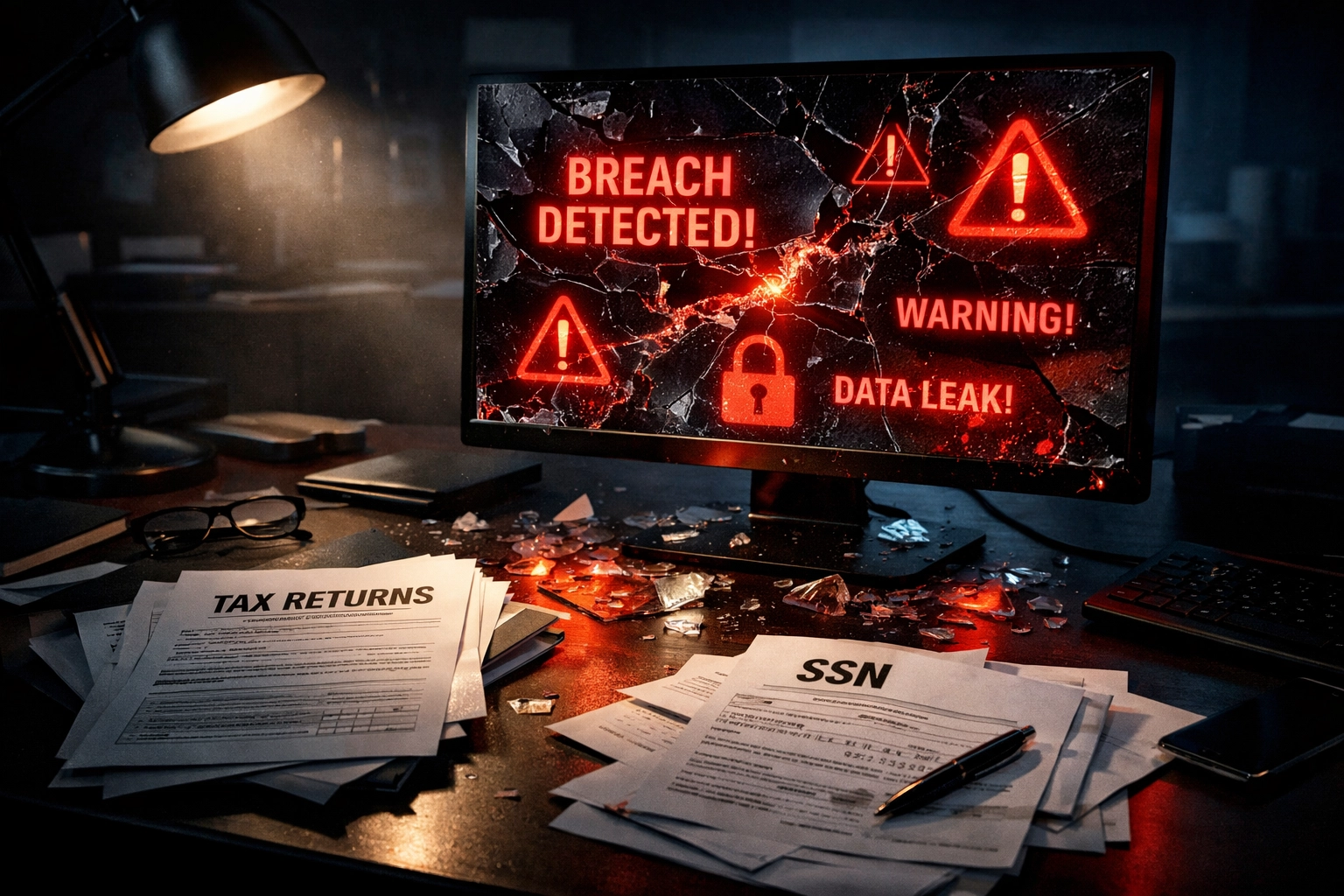
In late 2025, DDTax experienced what they described as “Unauthorized ScreenConnect Remote Access.” Translation: an attacker gained remote control of their systems and could see everything, client tax returns, Social Security numbers, financial records, the works.
Their IT person provided a remediation summary that included:
- Uninstalling ScreenConnect clients
- Resetting passwords and enabling MFA
- Running malware scans
- And here’s the red flag: “Network level defense: To be addressed in next steps”
Read that last line again. Even after the breach, their perimeter security wasn’t actually fixed. It was on a to-do list.
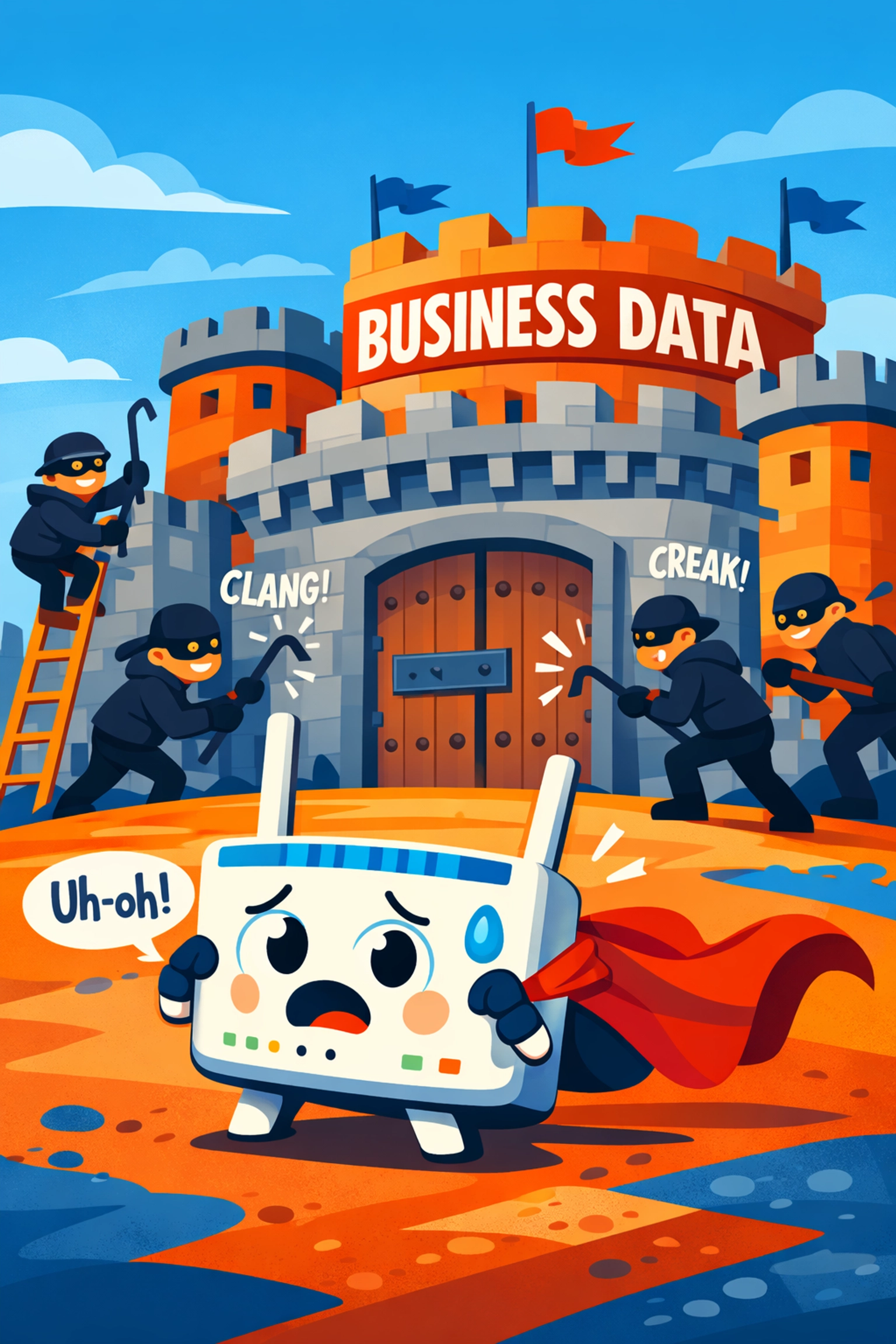
Their solution for the firewall issue? They purchased a Synology RT6600ax, a home/small office Wi-Fi router that Synology markets for residential use. Not a managed business firewall. Not enterprise-grade security monitoring with 24/7 threat detection. A router you’d buy for your house.
That’s like replacing your broken front door lock with a twist-tie from a bread bag and calling it “security upgrades.”
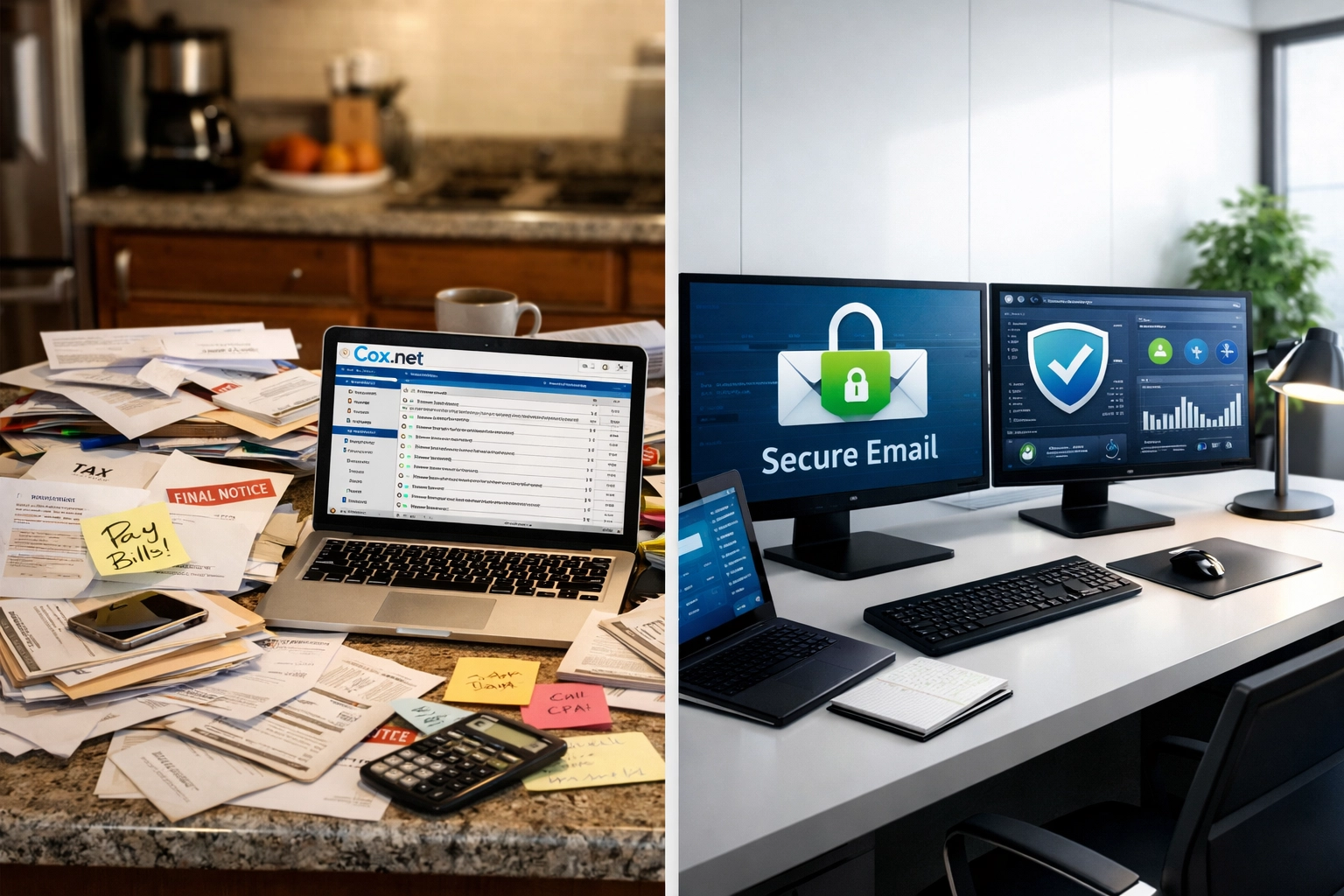
The Email Sin: Running a Tax Firm from [email protected]
Here’s where it gets absolutely spicy.
Throughout this entire saga, before, during, and after the breach, DDTax operated from a shared consumer email account: [email protected]. A Cox Communications residential email address. The kind you get when you sign up for cable internet.
Let that sink in. A tax preparation firm handling thousands of Social Security numbers, W-2s, 1099s, and complete financial profiles was running their entire client communication operation through a shared residential email account.
Consumer email platforms like Cox, Yahoo, or basic Gmail accounts don’t have:
- Centralized audit logging (no way to prove who accessed what, when)
- Enforced multi-factor authentication policies across users
- Data loss prevention (DLP) for SSNs and tax documents
- Advanced threat protection appropriate for a post-breach environment
- Business-grade encryption and compliance features
This isn’t just bad practice, it’s CPA cybersecurity Arizona malpractice. When you’re handling IRS-regulated data, you can’t operate like a teenager managing their fantasy football league.
Multiple requests were made for DDTax to provide evidence of a transition to domain-based business email (like [email protected]) with proper security controls. They never did. They just kept using [email protected] and hoped nobody would notice.
The Password Malpractice: A Blueprint for Identity Theft
After the breach, DDTax sent clients their tax return PDFs with password protection. Sounds good, right? Here’s the email explaining how to unlock the files:
“The password is your SSN followed by your city and ZIP code, all in lowercase with no spaces. Example: XXXXXXXXXsurprise85374”
Let’s break down this security disaster:
- They used full Social Security numbers as password components
- They sent the password structure via email, the same insecure channel they’d just been breached through
- They provided a concrete example showing the exact format
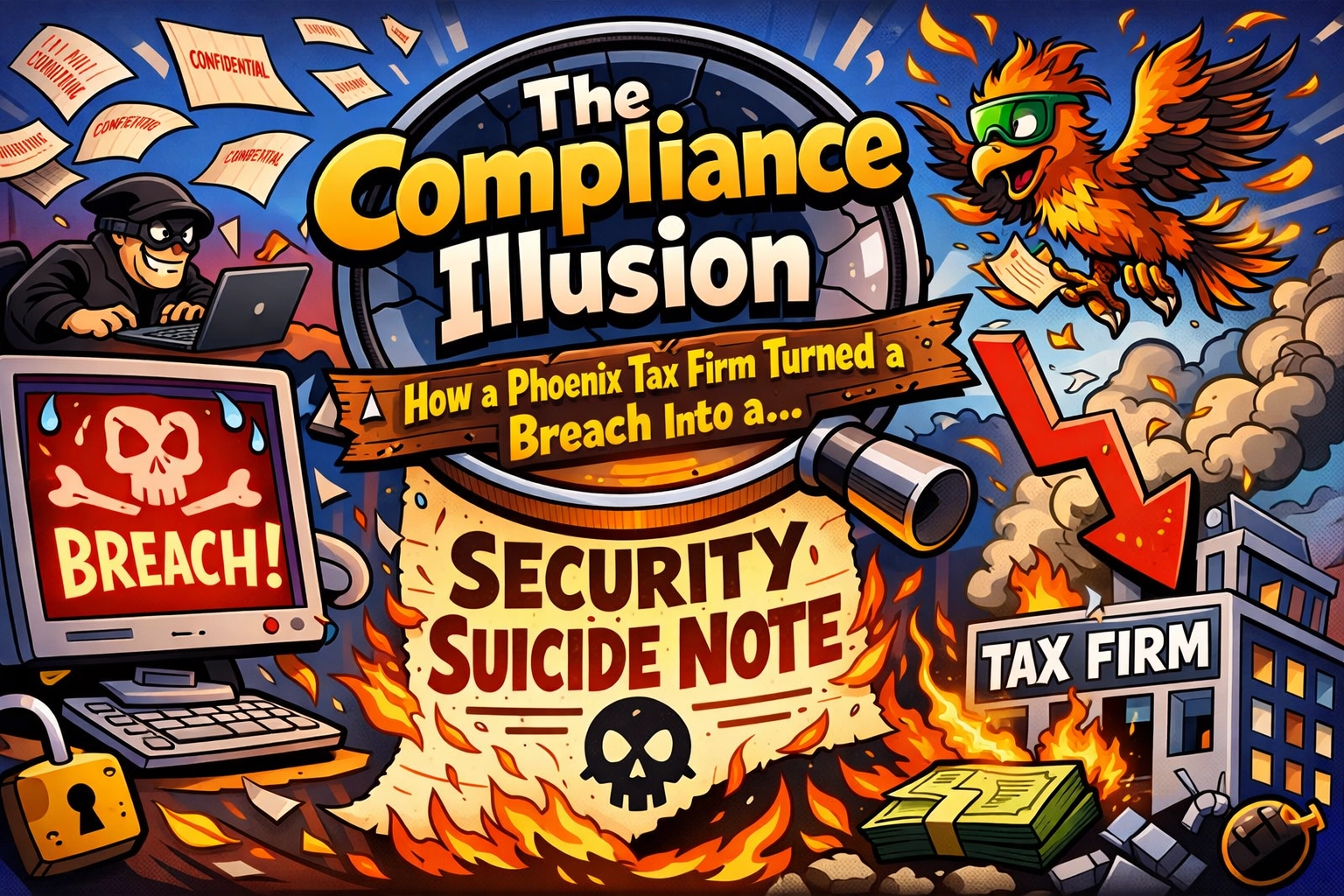
Anyone who compromises that mailbox now has both the encrypted file and the blueprint to crack it. That’s not security theater, that’s a security suicide note.
In what universe is this acceptable? If your tax preparer is sending you instructions like this, run. Find a Phoenix managed service provider who understands that SSNs are not password material.
“We’re In Compliance”, The Magic Words That Mean Nothing
When a security-conscious client (who happens to be an IT professional) asked for a 30-minute call with the owners to discuss their security posture and verify what controls were actually in place, things got interesting.
First, an internal email, which DDTax accidentally forwarded to the client, said:
“Please respond to him. Tell him we are in compliance and will be getting a new data manager after tax season.”
Then their formal response came:
“We are transitioning from our current IT professional in late Q2/early Q3 this year. We will not be turning over communications, screenshots, or written verifications as requested above. We are in compliance with IRS guidelines received directly from an IRS Liaison for our state.”
Translation: “Trust us, we talked to someone official. Now stop asking questions while we finish tax season. We’ll maybe fix things six months from now.”
No documentation. No audit logs. No proof of endpoint detection and response (EDR) deployment. No incident response plan. No updated security control matrix. Just “we’re in compliance” and a promise to address it later.
Here’s the truth bomb: “We’re in compliance” without documentation is just corporate gaslighting. If you can’t show it, you don’t have it.
What Was Actually Requested (And Refused)
The requests weren’t unreasonable. The client asked for basic verification that sensitive data was protected:
- Business email evidence: Confirmation they’d moved off consumer Cox email to a proper business platform with MFA, logging, and threat protection
- Endpoint protection: Proof of enterprise EDR with 24/7 monitoring (not just basic antivirus)
- Updated security controls: An actual picture of what had changed since the breach
- Incident response plan: Written procedures for detection, response, and prevention
The client even offered to help them strengthen their security at no cost while remaining a client. The preference was clear: be secure, not just claim it.
DDTax declined. They told the client to “hold off on communications” because they were “100% focused on tax preparation.”
Let that sink in. A firm that just experienced a data breach told a concerned client whose personal information was exposed that they were too busy to discuss security.
The Phoenix Business Owner’s Wake-Up Call
DDTax is not unique. There are thousands of small accounting firms, law offices, medical practices, and consulting shops across Arizona operating exactly like this: until they’re not.

Here’s what every Phoenix-area SMB needs to understand:
Consumer Email Is Not a Business Tool
If your firm runs on Gmail, Yahoo, or Cox.net without proper managed IT services Phoenix oversight, you have no logging, no DLP, no audit trail, and no way to prove you protected client data when the lawsuit or regulatory action comes.
“Compliance” Is a Provable State, Not a Declaration
Saying you talked to an IRS liaison doesn’t replace actual documentation: policies, control matrices, logs, EDR dashboards, incident response plans. Compliance is something you demonstrate, not something you claim.
Breach Response Requires Completed Remediation
If your incident report says “network level defense: to be addressed in next steps,” that’s not remediation: that’s a confession that you’re still vulnerable and just hoping nothing else happens.
Never Use PII as Passwords
Social Security Number + city + ZIP as a PDF password, then emailing the structure? That’s not protecting data: that’s gift-wrapping it for the next attacker.
Client Concerns Are Not Distractions
When a client whose data was exposed asks for a 30-minute call about your security, saying “we’re too busy with tax season” tells them everything they need to know about your priorities. Spoiler: they’re not a priority.
What DDTax Could Have Done (And What You Should Do)
DDTax had every opportunity to turn their breach into a success story. They could have:
- Moved to proper business email with Microsoft 365 or Google Workspace (Business tier), complete with logging, MFA enforcement, and DLP
- Deployed real EDR with 24/7 monitoring and threat hunting capabilities
- Implemented an actual business-grade firewall with intrusion detection
- Documented their controls transparently and updated their security posture assessment
- Engaged openly and professionally with client security concerns
Instead, they chose comfort over accountability. They chose “we’ll fix it later” over “we’re fixing it now.” They chose “trust us” over “let us show you.”
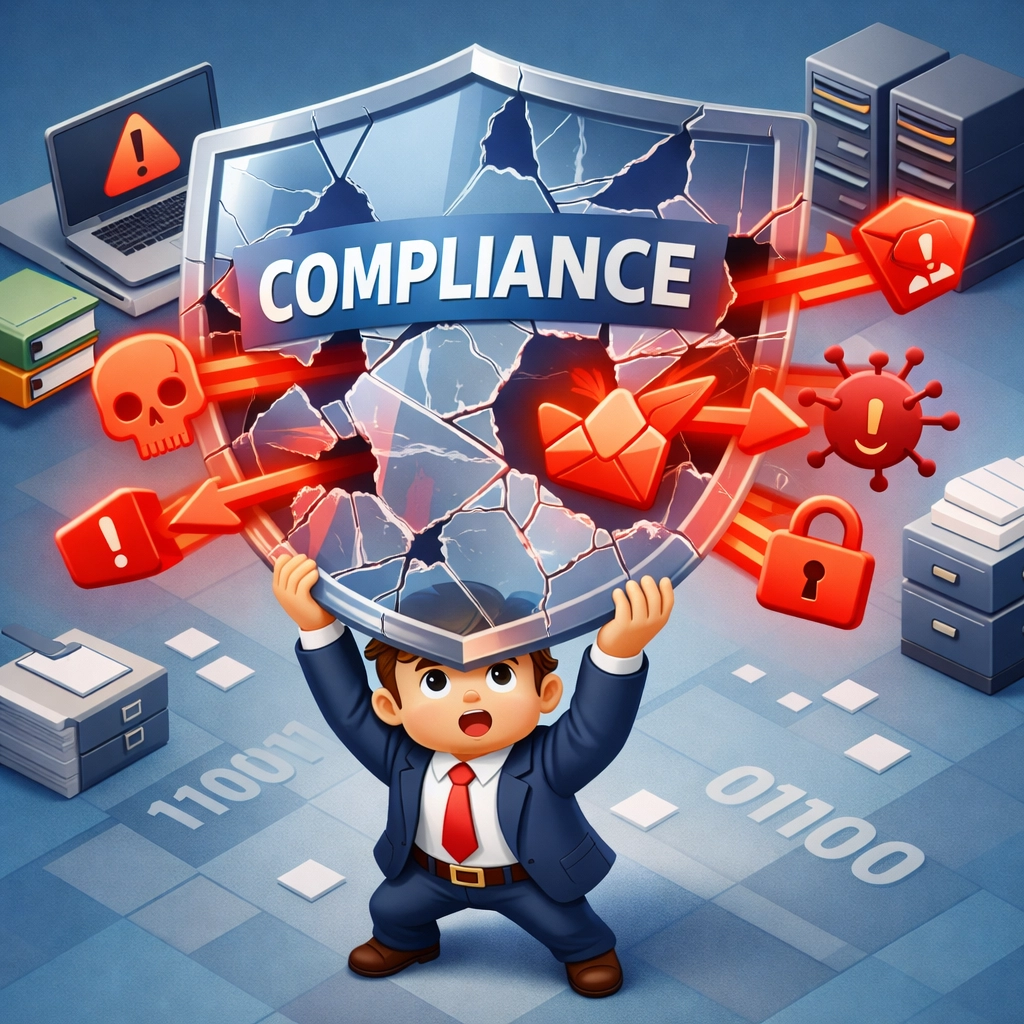
If you’re recognizing yourself or your business in any of these patterns, fix it now. Not in Q2. Not after busy season. Now.
Work with a legitimate Phoenix managed service provider who understands that CPA cybersecurity Arizona standards exist for a reason. Get off consumer email. Implement proper EDR. Deploy a real firewall. Document your controls. Stop saying “we’re in compliance” and start proving it.
Because the next informed client who asks these questions won’t be as patient. They’ll just leave: and depending on what they know, they might report you to regulators or write about it publicly.
Your reputation is built over years and destroyed in an afternoon. Don’t let a preventable security failure be your legacy.
Stop Hoping. Start Protecting.
Look, we get it. Cybersecurity feels overwhelming. You went into business to help clients with taxes, legal work, or medical care: not to become an IT expert. That’s fair.
But in 2026, data security isn’t optional. It’s not something you address “after busy season.” It’s the foundation of client trust, regulatory compliance, and business continuity.
If you’re a Phoenix-area business owner who’s been putting off the “security stuff,” let’s talk. We help SMBs across Arizona implement real, auditable security controls without breaking the bank or disrupting operations. No shame, no judgment: just practical solutions and honest guidance.
Because you deserve better than a Synology router and crossed fingers. And your clients deserve better than [email protected].
Ready to stop hoping and start protecting? Schedule a no-obligation intro call and let’s review where you actually stand: not where you hope you stand.
All statements in this case study are based on contemporaneous written correspondence and reflect documented experiences with a Phoenix-area tax preparation firm. Business name has been preserved as it appears in official communications.