
You can't scale a business with a "broke" mindset or a chaotic strategy.
I keep having business owners come to me saying they can't afford basic support, or they complain about a small monthly fee. Look, I get it. I've been there. I remember looking at a $100/month expense and sweating. But looking back at where I started versus where I am now: spending thousands a month on services without blinking: I realize one fundamental truth:
You have to spend money to make money.
If you think you can build an empire without burning some cash first, look at the history books.
The Investment Reality: Lessons from Giants
Amazon: Jeff Bezos started in 1994. The company didn't turn a full year of profit until 2003. That's nearly a decade of being "in the red" to build infrastructure. Today, Amazon Web Services alone generates billions in revenue because Bezos understood that massive upfront investment creates unstoppable competitive advantages.
OpenAI: They're fueling the biggest AI boom in history, yet they're projected to be billions of dollars net negative this year. Why? Because they're investing in the necessities required to dominate an entire industry.
These aren't cautionary tales: they're blueprints. Every successful business owner eventually learns that sustainable growth requires strategic investment, especially in areas that seem "boring" but are absolutely critical.

The "Vacuum" Paradox
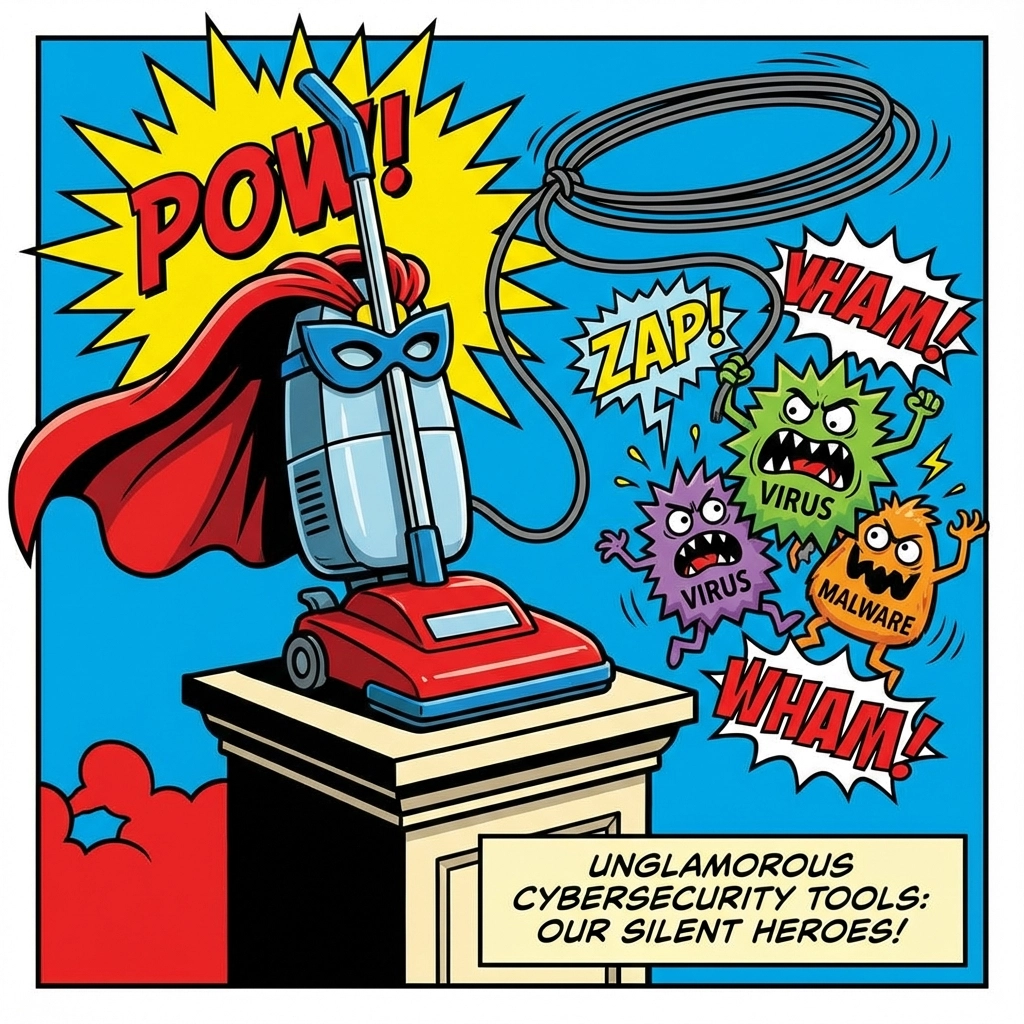
The biggest area where I see this "broke mindset" fail is cybersecurity. Selling cybersecurity is like trying to sell a vacuum. It's unsexy. It's boring. Nobody wants to buy a vacuum until there's glass shattered all over the floor: and by then, it's too late.
We live in an economy where selling a quick dopamine hit (like social media ads or flashy marketing) is easy money because the reward is immediate. But selling safety? That's a war. Small business owners treat security like an optional line item, especially here in Phoenix where I see dental practices, law firms, and CPA offices operating with zero ransomware protection Phoenix protocols.
Here's the brutal reality: A dopamine hit might make you a few bucks today, but a cybersecurity breach will cost you multitudes more than you ever saved by being cheap. The average cost of a data breach for a small business ranges from $120,000 to $1.24 million: often enough to close the doors permanently.
Why Phoenix Businesses Keep Getting Hit
I've worked with medical practices across Mesa and Scottsdale, and the pattern is always the same. They'll spend $50,000 on new equipment but balk at $500/month for medical practice IT support Mesa that includes proper backup systems and compliance monitoring.
HIPAA IT compliance Phoenix isn't just a legal requirement: it's business insurance. Yet I constantly see healthcare providers trying to DIY their security because they think they can't afford professional help. The irony? One HIPAA violation fine costs more than five years of proper compliance support.
The same goes for legal IT services Scottsdale and CPA cybersecurity Arizona. These professionals protect their clients' most sensitive information but often leave their own digital infrastructure wide open because they're focused on cutting costs instead of preventing catastrophic losses.
It's Not Just About Money: It's About Accountability
Beyond being cheap, I see too many owners creating their own headaches because they lack discipline:
The Scope Creepers: They sign contracts and then constantly change the goalposts. I've seen this with dental IT support Phoenix clients who agree to specific backup protocols, then demand additional services without adjusting the budget.
The "I Know Better" Crowd: Their own team tells them how to fix an issue, but they ignore the advice, keep digging the hole deeper, and then wonder why they're bleeding cash. They'll spend hours researching small business AI consulting AZ solutions instead of just hiring someone who knows what they're doing.
The Penny-Wise, Pound-Foolish: They'll choose the cheapest small business internet Phoenix provider, then lose thousands in productivity when their connection goes down during critical business hours.
Practical Funding Strategies for IT Investment
Here's the thing: if you truly can't afford proper IT infrastructure right now, there are legitimate ways to get the funding you need:
1. Day Job Funding
Keep your current income stream while building your business. Use that steady paycheck to invest in proper cybersecurity from day one. It's better to grow slowly with solid foundations than to grow fast and collapse.
2. SBA Loans
The Small Business Administration offers loans specifically for technology upgrades. Many Phoenix area businesses qualify for loans that can cover comprehensive IT infrastructure, including security systems and compliance tools.
3. Equipment Financing
Most MSP services can be structured as equipment financing, which often has better terms than traditional business loans. This works especially well for Phoenix managed service provider packages that include hardware and software.
4. Revenue-Based Financing
Some alternative lenders offer financing based on your monthly revenue. If you're already generating consistent income but need capital for IT improvements, this can be a viable option.
5. Strategic Partnerships
Consider partnering with other businesses to share IT costs. I've seen successful cost-sharing arrangements between complementary businesses that need similar security levels.

The Real Cost of Chaos
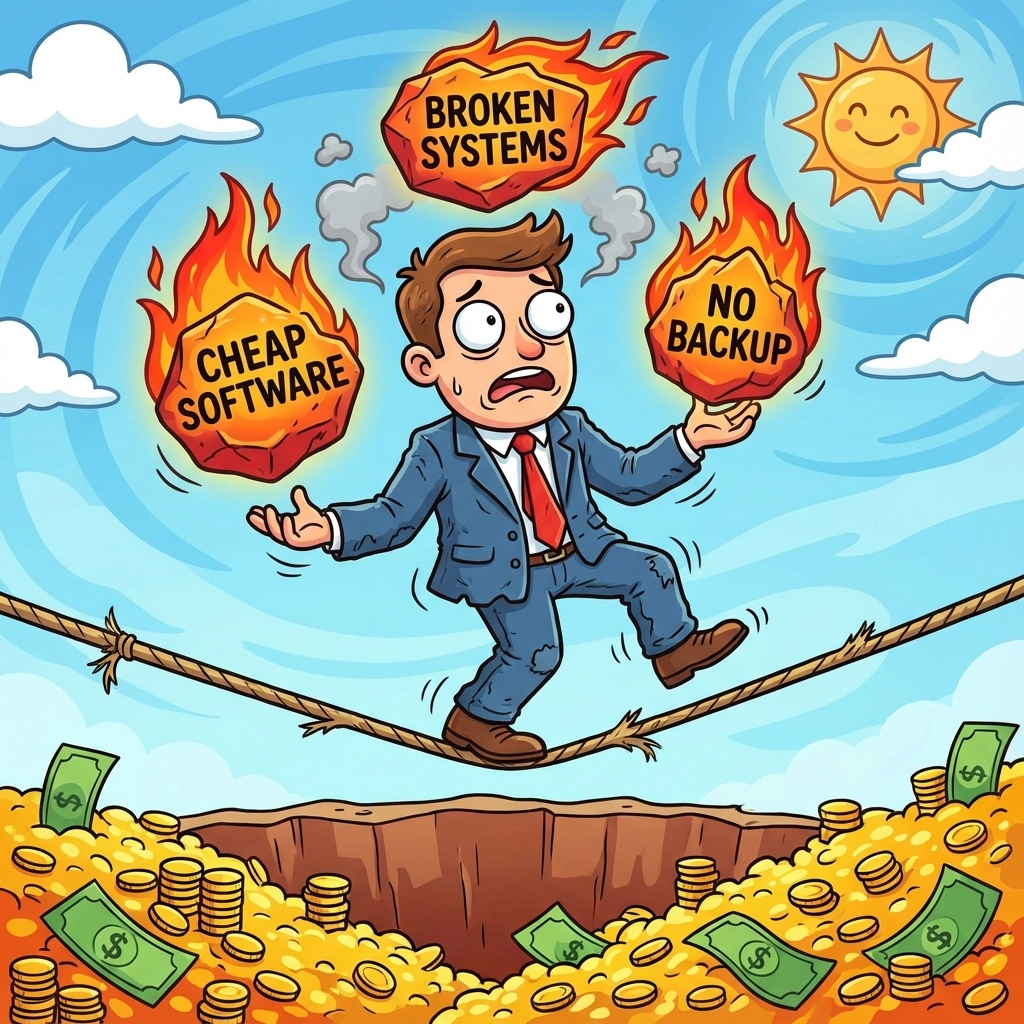
You cannot scale chaos. I see business owners trying to juggle multiple software systems that don't talk to each other, using consumer-grade internet for business operations, and handling their own IT because they think they're saving money.
The hidden costs are staggering:
- Lost productivity from system downtime
- Employee frustration leading to higher turnover
- Customer complaints due to technical issues
- Compliance violations that result in fines
- Data loss that destroys years of work
When you calculate these real costs, professional IT support isn't an expense: it's cost prevention.
The Phoenix Advantage
Here in Phoenix, we have a unique opportunity. The business environment is competitive but not oversaturated like California or New York. Small businesses that invest properly in their infrastructure can dominate their local markets because so many of their competitors are still operating with the "broke mindset."
I've watched dental practices, law firms, and accounting offices transform their operations by making strategic IT investments. The ones that embrace proper cybersecurity and reliable systems consistently outperform their penny-pinching competitors.
Stop Making Excuses, Start Making Investments
Get your finances right: If that means maintaining a day job, finding investors, or securing loans to pay for real protection and real infrastructure: do it. The cost of proper IT support is always less than the cost of not having it.
Get your mindset right: Stop buying the dopamine hit and start buying the vacuum. Invest in the boring, unsexy solutions that actually protect and grow your business.
The market doesn't have time for cheap or chaotic. Your competitors who understand this are already pulling ahead. The question isn't whether you can afford to invest in proper IT and cybersecurity: it's whether you can afford not to.
Don't be cheap, and don't be chaotic. The businesses that scale successfully are the ones that recognize the difference between spending money and investing money. Make sure you're on the right side of that equation.